What Is UL 508A Certification? Why It Matters for Control Panels
Published by Carolina Motion Controls, Inc. on 19th Jul 2026
What Is UL 508A Certification and Why Does It Matter for Your Control Panel?
We get some version of this question on almost every panel request: "Are you UL 508A certified?" And the answer matters, but a lot of people asking don't fully know why, or what they're actually checking for when they ask. They believe that just because we are UL 508A certified that means their panel will be too.
So here's a straight answer, written by people who build these panels every day.
The short version
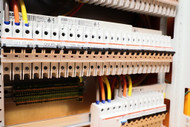
UL 508A is the standard that governs how industrial control panels are built. Not the individual components inside, the individual components have their own listings, but the panel as a complete, assembled system. The wiring, overcurrent protection, enclosure rating and how everything works for the application use case.
When a panel carries a UL 508A label, it means the Underwriters Laboratories has verified that the shop who built it follows a documented, audited process, and that the panel itself was constructed to meet defined safety requirements. It's not just a sticker you buy.
What it actually takes to be certified
This is where it gets more involved than most people realize.
You need certified people on the floor. UL 508A requires that certified shops employ Manufacturing Technology Representatives (MTRs) who are trained and tested by UL on the standard itself. We have 4 MTRs on staff. They're the ones responsible for making sure every panel that goes out the door was built following the standard. That's not a small thing.
You need documented processes and you have to follow them. Wire sizing, terminal ratings, component spacing, grounding, short circuit current ratings. All of it has to be documented and consistently applied.
UL shows up unannounced. Certified shops get audited regularly, and UL doesn't schedule those visits in advance. A shop that's cutting corners on a Tuesday doesn't get to clean things up before the inspector arrives on Wednesday. If a shop has maintained their certification for years, they're doing it right day to day, not just when someone's watching.
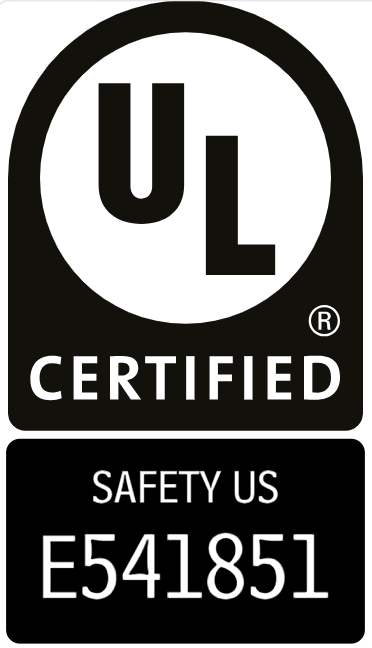
Every panel gets a traceable label. The UL 508A label on a completed panel traces back to the shop's UL file number. Ours is E541851 and can be looked up directly at ul.com. If a shop can't give you their file number, or hedges when you ask, that's worth paying attention to.
Why this matters on your project
Inspections. Most jurisdictions require industrial control panels to be listed to a recognized standard. UL 508A is what electrical inspectors and authorities having jurisdiction (AHJs) look for. A panel without that label can get flagged, rejected, or require a field evaluation. Which costs time, money, and delays startup. We've seen it happen to customers who went with a cheaper, uncertified shop and ended up paying for it twice to have a UL field tech spend days going through a certification, not to mention having someone make site changes on what was discovered to not meet the standard.
SCCR and why most people don't ask about it until it's a problem. Short Circuit Current Rating is one of the most commonly mishandled requirements in panel building. Every panel needs a documented SCCR that meets or exceeds the available fault current at the installation point. Get it wrong and you've got a code violation and a real safety hazard. The SCCR determines how much fault current the panel can safely withstand during a short curict without exploding, catching fire, or melting. A certified shop calculates and documents SCCR on every build as a matter of course.
Liability. If an unlisted panel is connected to a facility incident; a fire, a failure, an injury, the question of why it wasn't built to a recognized standard comes up fast. Insurance carriers are increasingly specific about this. A UL 508A label isn't just paperwork. It's documentation that the panel was built to an auditable nationally recognized standard.
Safety, plain and simple. The standard exists because panels built without proper engineering oversight fail. Undersized wire overheats. Overcurrent protection gets sized wrong. Grounding gets overlooked. These aren't hypothetical failure modes, they're the reason UL 508A was written. A certified panel is a safer panel.
What to ask before you hire a panel shop
Not every certified shop is the same. Holding the certification is the floor, not the ceiling. Here's what we'd ask if we were in your position:
How many MTRs do you have? More MTRs means more oversight capacity across concurrent builds. One MTR at a busy shop is a bottleneck.
What's your UL file number? Verify it. This takes about 30 seconds at ul.com. Any shop that's actually certified will give you the number without hesitation.
Do you design-build, build-to-print, or both? Some shops will build to your prints without reviewing and that is a big red flag. If they are holding the liability and truely want to ensure the safety of your panel they will do a reievew themselves to ensure it meets the standard.
We had the panel built by another shop, so you can take these print and build it? This is another common misconception. We may not know what the other shops MTRs missed or let slide by. Since this is our liability we will take the time to verify your build meets the standard.
Can you power-on test before shipping? Live power-on testing at the shop catches wiring issues, software bugs, and I/O problems before the panel ever reaches your facility. This can sometimes be limited, but it's worth asking for.
A note on who we are
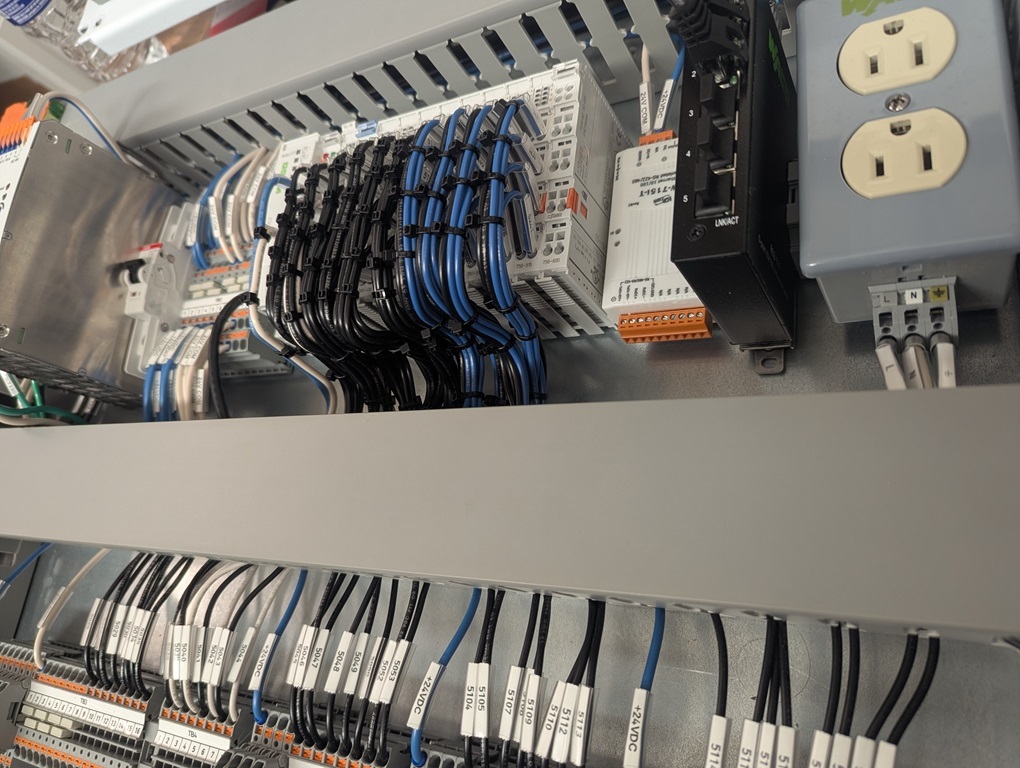
Carolina Motion Controls has been in industrial automation for over 34 years. Our panel shop is UL 508A certified (file E541851), we have four MTRs on staff, and we operate out of our facility in Greenville, SC. We build panels for manufacturers, OEMs, and industrial operations across South Carolina, North Carolina, and the Southeast.
If you've got a project or thinking of adding a panel to your facility/machine or you're just trying to figure out whether to outsource contract manufacturing, reach out. We're straightforward about what we can do and happy to help as much or little as you need us.